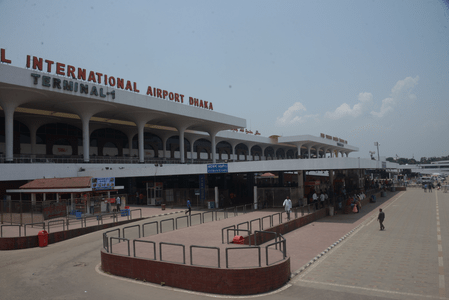
Dhaka, Jan 21: The ongoing luggage trolley crisis at Dhaka’s Hazrat Shahjalal International Airport is not merely an operational lapse but a telling reflection of systemic governance failures, poor accountability, and misplaced priorities, according to a sharply critical report published in The Business Standard.
Passengers arriving at the airport reportedly spend one to two hours searching for luggage trolleys, a situation that has become routine and deeply frustrating. Bangladeshi writer, policy analyst, and entrepreneur Zakir Kibria describes the crisis as a “national parable,” highlighting how institutional inefficiency, excuse-driven governance, and fragmented responsibility combine to create daily hardship for citizens.
Airport authorities, however, deny any shortage of trolleys. Group Captain Ragib Samad, who oversees trolley operations, has stated that the airport has nearly 3,700 trolleys across arrival and departure terminals. According to officials, the real problem lies with passengers, who allegedly misuse the trolleys and hold on to them for extended periods while waiting at baggage belts.
Kibria critiques this explanation as emblematic of a broader administrative mindset—where the state claims to provide adequate resources while shifting blame onto citizens. He notes that the crisis has been linked to flight congestion, which authorities attribute to winter fog. The fog issue, in turn, is connected to the downgrading of the airport’s Instrument Landing System (ILS) after runway lights were damaged by a Thai Airways aircraft in October last year.
Repairs to the lights were delayed due to lengthy tender processes and the need to import parts, creating a cascading chain of failures. Each agency, the report notes, deflects responsibility to another, leaving no single authority accountable for resolving the problem.
“The trolleys are not running because the levers of state machinery are frozen by procedures and departmental silos,” Kibria writes. As a result, flights are diverted, passengers sleep beside their luggage, and authorities continue to blame fog, congestion, or public behaviour.
The report concludes that the trolley crisis illustrates how systems can be fully equipped with infrastructure yet crippled by poor coordination and maintenance. It argues that the episode is less satire than lived reality for Bangladeshi citizens—one delayed flight and one missing trolley at a time.