Islamabad, January 18:
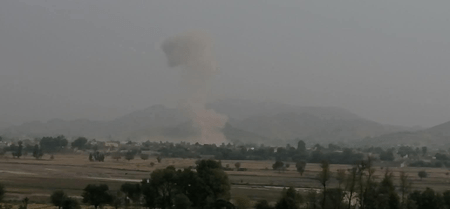
A key bridge in Mir Ali tehsil of Pakistan’s Khyber Pakhtunkhwa province was destroyed in a late-night explosion carried out by unidentified attackers, severely disrupting daily life for residents in the area, local media reported on Sunday. The incident has once again highlighted growing security concerns in the region, which has witnessed repeated attacks on critical infrastructure in recent months.
According to police, the blast occurred in Khushhali (Makinah) village of Mir Ali, where explosives were used to completely demolish the bridge. The destruction has cut off land connectivity between the village and several adjoining regions, including local markets and agricultural areas. Pakistan’s leading daily Dawn reported that the explosion took place late at night, taking residents by surprise.
Soon after the incident, police and security forces rushed to the site, cordoned off the area and launched an investigation to identify those responsible. Officials said the loss of the bridge has created severe difficulties for the local population, who depend on it for everyday movement and economic activities.
Residents said school-going children, elderly people, patients and women have been the worst affected. The damaged bridge was a crucial route for accessing schools, healthcare facilities and marketplaces. Its destruction has also caused losses to local businesses and farmers, as transportation of goods and access to agricultural lands have been disrupted.
The latest incident comes amid a worrying trend of attacks on infrastructure in Khyber Pakhtunkhwa. Earlier this week, another major bridge over the Kurram River in Shewa tehsil of North Waziristan district was blown up using explosives. That blast severed land routes connecting the area with key towns such as Miranshah and Bannu and triggered panic among residents after the explosion was heard from miles away.
Local sources said attackers had planted a large quantity of explosives beneath the bridge, which served as a vital communication and transport link. Its destruction has further complicated access to healthcare, education, essential supplies and routine commercial activities, forcing residents to take longer and more difficult alternative routes.
Authorities have expressed concern over the repeated targeting of infrastructure, as such attacks continue to deepen hardships for civilians and raise serious questions about law and order in the region.