Dhaka:
The rise of religious extremism in Bangladesh did not occur overnight. It has been a gradual, deliberate process—shaped by years of historical distortion, cultural delegitimisation, and the steady replacement of plural values with rigid identity politics.
During the 1990s, school-going children were increasingly exposed to falsified narratives: claims that Rabindranath Tagore plagiarised the national anthem, that Bengali culture was un-Islamic, or that traditional festivals were merely Hindu influences. With limited access to alternative sources of information, such ideas often went unchallenged and slowly took root.
Over time, the emphasis shifted from personal faith to collective religious identity. Cultural events like Pohela Boishakh and Mangal Shobhajatra were reframed as threats to Islam, despite the diversity of Islamic cultural expression across regions. Music, dance, poetry and folk traditions were branded sinful. Baul communities faced attacks, shrines were vandalised, and centuries-old folk practices were replaced by the commercialised “Waj” preaching industry.
Rather than deepening faith, this process narrowed society. People became detached from their cultural roots and vulnerable to simplistic binaries of “halal” and “haram”. Religion increasingly functioned as a tool of control, not reflection.
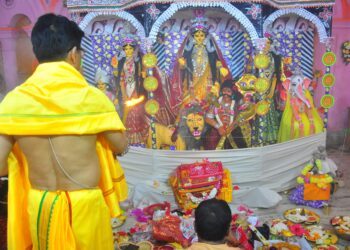
The social fallout has been profound. Communal harmony eroded steadily. Participation in minority festivals was discouraged, then condemned. Hate speech normalised hostility toward non-Muslims, while violence was justified as punishment for “religious offence”. Temples were attacked, idols destroyed and families displaced.
Following the July 2024 upheaval, the trend intensified. Extremist groups gained visibility, hate preachers operated freely, and minorities, women, artists and dissenters became more vulnerable. Over 2,900 reported cases of minority persecution reflect not isolated crimes but a systemic failure to uphold pluralism and equal citizenship.
The killing of Dipu Chandra Das—burnt alive over allegations of religious insult—symbolised how far social norms have shifted toward collective punishment.
Extremism dismantles societies slowly, by redefining norms and silencing conscience. If Bangladesh is to preserve its social fabric, it must restore pluralism, protect minorities, and reaffirm that faith and humanity are not opposites, but companions.