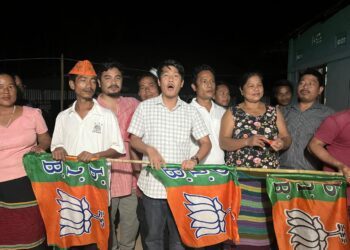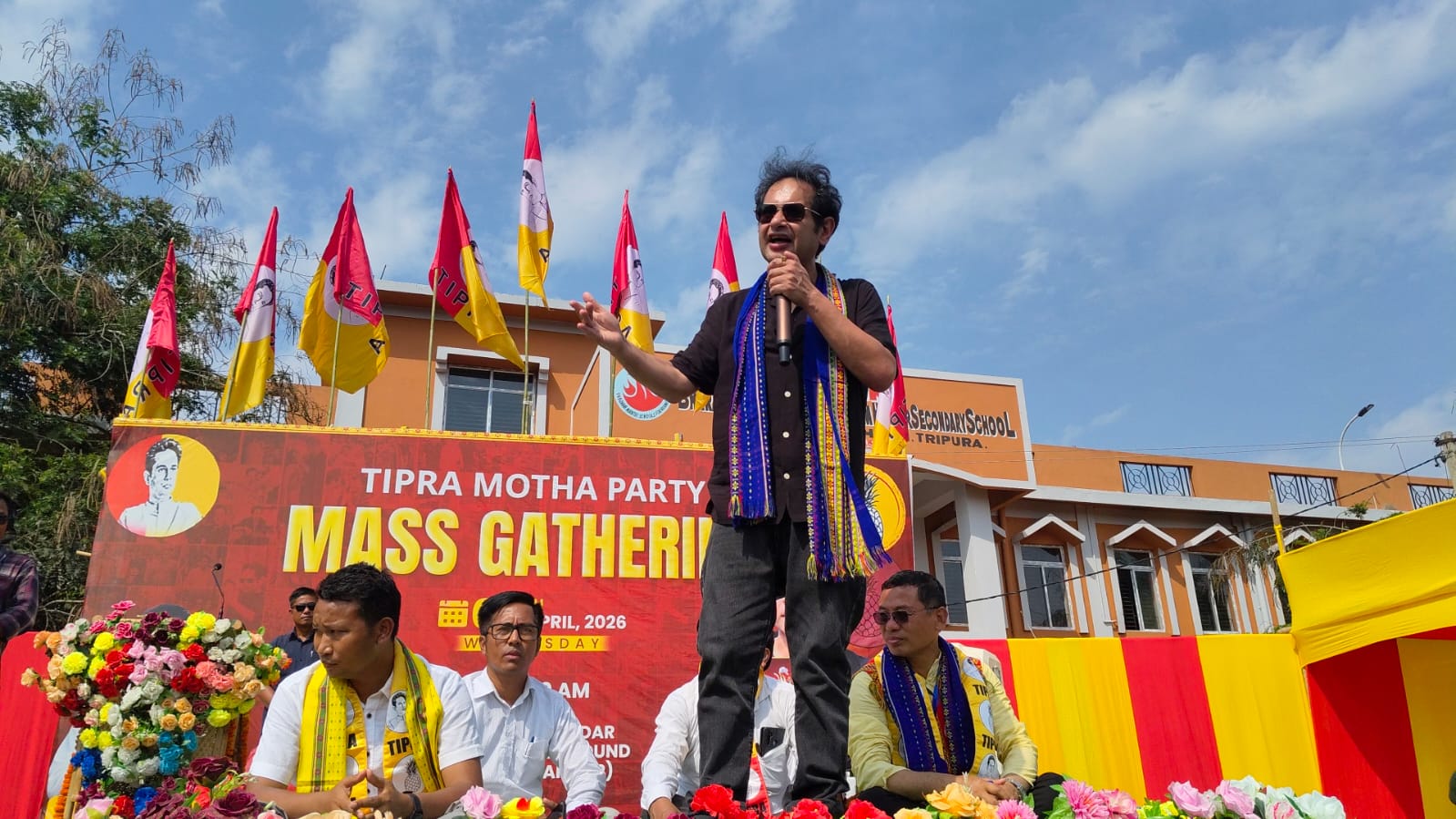
Agartala, April 8 — With just days remaining for the crucial Tripura Tribal Areas Autonomous District Council (TTAADC) elections, the political atmosphere across the ADC regions has intensified dramatically. The ruling ally Bharatiya Janata Party (BJP) and the influential regional force Tipra Motha Party are leaving no stone unturned in their high-voltage campaigns, each determined to secure control of the politically significant tribal council.
Rallies, roadshows, and sharp political exchanges have become a daily spectacle, with both sides trading allegations and counter-allegations. However, beyond the charged rhetoric, ground-level sentiment presents a more nuanced and complex picture. A field visit across several TTAADC areas reveals that voter concerns are deeply rooted in both developmental challenges and cultural aspirations.
Across a wide cross-section of indigenous communities, there is a noticeable undercurrent of dissatisfaction regarding what many describe as a continuing development deficit. Despite repeated promises over the years, several ADC regions still struggle with inadequate infrastructure and limited economic opportunities.
Many voters expressed frustration that basic amenities remain inconsistent. Access to safe drinking water, proper irrigation systems, all-weather roads, and sustainable employment opportunities continue to be pressing concerns for households across remote areas. While some residents acknowledged benefiting from government welfare schemes, they noted that such initiatives have not fully addressed broader structural issues.
“Development has not reached us in the way it was promised,” remarked a voter from a remote village, echoing a sentiment widely shared across interactions.
At the same time, a deeply sensitive cultural and political issue continues to resonate strongly among the electorate—the demand for adopting the Roman script for the Kokborok language. For many indigenous voters, this demand goes beyond language, symbolizing identity, recognition, and aspirations for future generations.
“The Roman script for Kokborok language is a necessity for us,” said another voter, highlighting how identity-based concerns are playing a significant role in shaping electoral preferences.
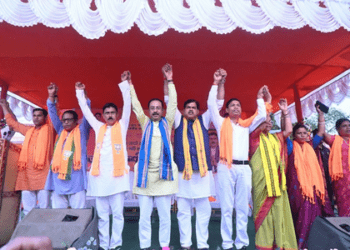
As campaigning enters its final phase, leaders from both BJP and TIPRA Motha are intensifying outreach efforts, presenting their visions for governance, development, and cultural recognition. The election is widely seen as a high-stakes contest for political influence in Tripura’s tribal belt.
Despite the aggressive campaigning, voters appear to be carefully weighing their choices—balancing the need for tangible development with the desire to safeguard identity and representation.
While campaign narratives may dominate the final days, the decisive verdict will ultimately rest with the electorate. The outcome of this closely watched contest will be revealed on counting day, April 17.