Agartala, Nov 12 : Tripura is preparing to roll out the second phase of its decriminalisation drive, with the state government reviewing 78 Acts and 73 rules to identify provisions that can be amended or repealed to reduce regulatory burdens and improve ease of doing business, a senior official said on Thursday.
The proposed reforms seek to simplify legal procedures, replace unnecessary criminal provisions with monetary penalties and create a more business-friendly administrative environment.
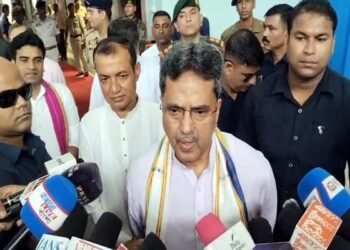
The roadmap for the next phase was discussed at a regional workshop on decriminalisation, Business Reform Action Plan (BRAP) and District Business Reform Action Plan (DBRAP), organised at Pragya Bhawan here.
Chief Secretary J K Sinha, Health Secretary Kiran Gitte and senior bureaucrats and policymakers from various Northeastern states attended the workshop.
Addressing the gathering, Gitte highlighted the achievements of the first phase of reforms, saying the state had repealed six outdated laws and amended four others.
Several provisions that earlier attracted imprisonment have been replaced with monetary penalties. Offences under municipal regulations, nursery-related legislation, industrial provisions and the Fire Services framework, which previously carried jail terms of up to six months, have been converted into fine-based penalties, he said.
For the second phase, the government has held consultations with various departments and completed a comprehensive review of 78 Acts and 73 rules in collaboration with the National Law University, Tripura.
The proposed amendments are likely to be placed before the state Cabinet during the second week of December. Following its approval, the government will initiate the necessary ordinances and other legal measures to implement the reforms, Gitte said.
Among the major legislations identified for amendments are the Tripura Agriculture Produce Markets Act, Tripura Housing Board Act, Tripura Municipal Act, Tripura Public Premises Act, Tripura Panchayat Act, Tripura VAT Act, Tripura Fire and Emergency Services Act and Tripura Jal Board Act.
The government has also identified four obsolete laws, including three related to education and one concerning agriculture, for complete repeal.
Gitte urged officials, industry representatives and other stakeholders to identify additional criminal provisions in existing laws and regulations and forward their recommendations to the Industries Department for consideration.
The workshop also facilitated discussions among Northeastern states on sharing best practices and streamlining regulatory procedures to encourage investment.
Officials said the proposed reforms would modernise Tripura’s legal framework, strengthen administrative transparency and make compliance requirements simpler and more predictable for businesses and citizens.