A new chapter in rural infrastructure development has begun at Totabari in Tripura, with the construction of a modern Iron Removal Plant (IRP) aimed at addressing the long-standing demand for safe and clean drinking water in the area.
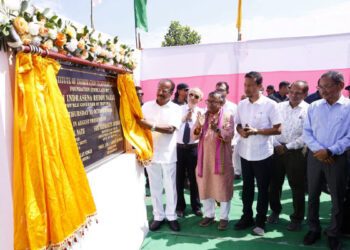
On Friday, Kalyanpur–Pramodnagar MLA Pinaki Das Choudhury visited the project site at Totabari market to inspect the facility and review its progress and operational plans. The project is expected to provide iron-free and hygienic drinking water to residents of Totabari and neighbouring areas once it becomes fully operational.
Choudhury was accompanied during the inspection by social worker Shibu Debnath, East Kalyanpur Gram Panchayat Pradhan Dipak Sarkar and other local leaders. During the visit, the MLA interacted with project officials and workers and sought details about the technical features, infrastructure and implementation of the facility.
Speaking after the inspection, Choudhury said ensuring access to safe drinking water for people in remote and rural areas remains a key priority of the government. He said the Totabari IRP would play an important role in improving the quality of drinking water available to local residents.
“This project is a vital step in protecting people’s health and ensuring better living standards,” the MLA said, stressing the importance of reliable access to clean drinking water.
Choudhury also said the government was working to extend development initiatives across multiple sectors, including drinking water, roads, electricity, education and healthcare. He described the Totabari project as an important example of efforts to strengthen basic infrastructure in rural areas.
Local representatives also welcomed the development. Social worker Shibu Debnath said the project could provide a long-awaited solution to the drinking water difficulties faced by residents for several years.
East Kalyanpur Gram Panchayat Pradhan Dipak Sarkar said the IRP, once fully operational, would directly benefit hundreds of families in Totabari and surrounding villages.
Residents expressed optimism that the facility would significantly improve access to safe drinking water and contribute to better community health. They said the availability of clean and purified water could help reduce the risk of waterborne diseases while improving the overall quality of life.
The commissioning of the Totabari IRP is therefore expected to mark a significant step towards strengthening essential rural services and meeting the basic water needs of the local population.