Dhaka, Dec 16:
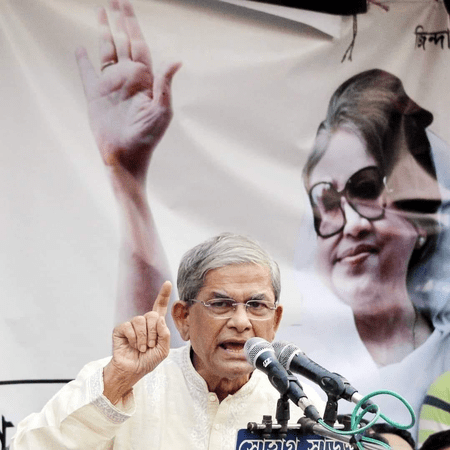
The Bangladesh Nationalist Party (BNP) on Tuesday warned that forces which opposed the country’s independence during the 1971 Liberation War are attempting to resurface, amid growing political tensions in the country. The remarks were made by BNP Secretary General Mirza Fakhrul Islam Alamgir while addressing events marking Victory Day, observed annually on December 16.
Victory Day commemorates the historic moment in 1971 when Pakistani forces surrendered to the Indian Armed Forces, bringing an end to a nine-month-long war and leading to the emergence of Bangladesh as an independent nation. Speaking on the occasion, Fakhrul cautioned that elements hostile to the spirit of the Liberation War are again becoming active in the political landscape.
“Today, the enemies of independence, those who stood against independence in 1971, are trying to rise again,” Fakhrul said, according to Bangladesh’s leading daily The Daily Star. He asserted that freedom-loving and democratic forces in the country would resist any such attempts and safeguard Bangladesh’s independence and sovereignty. “The people who believe in independence and democracy will foil all conspiracies. Democracy will be established,” he added.
Fakhrul underlined the significance of Victory Day, noting that the struggle which began with the declaration of independence reached its final victory in December 1971, making the day deeply meaningful for the nation.
The BNP’s warning comes amid the renewed prominence of the Islamist party Jamaat-e-Islami, which opposed the 1971 Liberation War. Jamaat’s rising visibility has been particularly noted since the Muhammad Yunus-led interim government assumed office.
Earlier this month, BNP Acting Chairman Tarique Rahman accused Jamaat of waging propaganda against his party and reminded citizens of the group’s role during the Liberation War. Addressing supporters, Rahman said Bangladeshis had already “seen this party in 1971,” alleging that Jamaat and its collaborators killed lakhs of people and committed widespread atrocities against women for political gains.
He urged the public not to forget the events of 1971, stressing that those now seeking public support were the same forces that opposed independence. Meanwhile, political parties that earlier collaborated with Chief Adviser Muhammad Yunus to topple the Awami League government led by Sheikh Hasina are now increasingly at odds, highlighting deepening fractures in Bangladesh’s political arena.