Agartala, Feb 7:
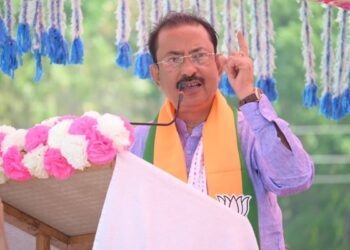
Tribal Welfare Minister Bikash Debbarma on Saturday evening condemned child marriage as a “grave social curse” and urged collective community action to eliminate the practice, while emphasizing the state government’s commitment to girls’ education and empowerment.
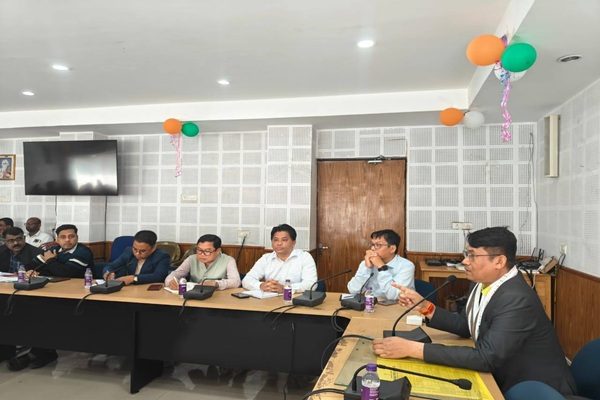
Speaking as the chief guest at an awareness and felicitation programme organized under the Child Marriage Free India Campaign and Beti Bachao Beti Padhao initiative by the ICDS Project at the B.A.C. Community Hall, Debbarma said, “Child marriage will not be tolerated beyond 2030. Communities must unite to eradicate this social evil, particularly in areas where it continues to exist.”
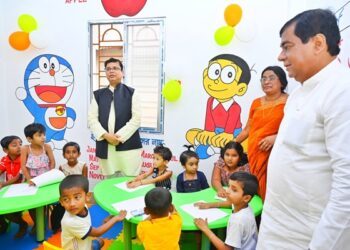
The Minister highlighted the pivotal role of Anganwadi workers in preventing child marriages and ensuring children, especially girls, receive proper education. He noted that the government is establishing new institutions, including Eklavya Model Residential Schools, to promote education and make children self-reliant.
During the programme, meritorious students from Mungiakami Block who achieved top marks in secondary and higher secondary examinations were felicitated with certificates of appreciation. Six Anganwadi workers and helpers received appointment letters, and financial assistance cheques under the Chief Minister’s Matru Pushti Yojana were distributed to women beneficiaries.
The Block Development Officer informed attendees that 20 new Anganwadi centres have recently been established in Mungiakami Block, calling it a matter of pride for the state.
Concluding his address, Minister Debbarma expressed confidence that Tripura can build a progressive society through collective effort. “Education is the backbone of society. By empowering our children, especially girls, we are shaping a brighter future for Tripura,” he said.
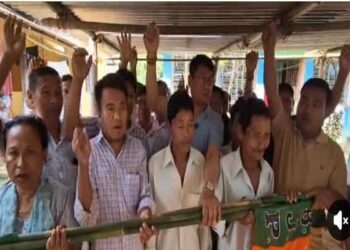
The event saw participation from BAC Chairman Sunil Debbarma, block officials, Anganwadi workers, and other distinguished guests, reflecting strong community support for the campaign against child marriage and for women’s education and empowerment.
This initiative reinforces Tripura’s focus on social reform and gender equality, aiming to eradicate deep-rooted social evils and create an empowered, educated generation.