New Delhi, Dec 23: A social media post by Shafiqul Alam, Press Secretary to Bangladesh interim government Chief Adviser Muhammad Yunus, expressing helplessness over violent attacks on media offices, has triggered widespread concern about public safety and the country’s deteriorating law-and-order situation.
In a Facebook post dated December 19, Alam revealed that he received “frantic, tear-choked calls” from journalists trapped inside the offices of leading newspapers The Daily Star and Prothom Alo during mob attacks on the night of December 18. He admitted that despite making repeated calls to “the right people” to mobilise help, assistance failed to arrive on time.
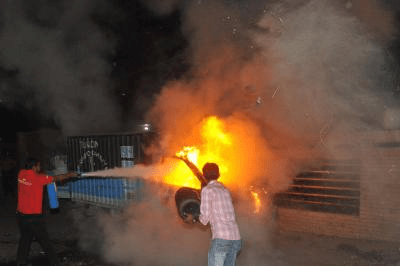
“The journalists were eventually rescued and are safe, but by then the media houses had already suffered one of the worst mob attacks and arson incidents in recent years,” Alam wrote, adding that he felt ashamed and deeply sorry as a former journalist.
The incident has drawn sharp reactions across Bangladesh, especially after Prothom Alo, in an editorial response, questioned the state’s ability to protect citizens. “If influential persons in government are helpless, where will ordinary people go?” the newspaper asked.
Social media users also criticised the interim government, with several accusing it of failing to ensure security. Some questioned how mob violence could occur under government watch, while others said the authorities ignored early warnings. Prothom Alo later clarified that it had sought security in advance by contacting senior government officials and law enforcement agencies, but help arrived only after the offices were vandalised and staff were forced to flee.
In a column published on Tuesday, media commentator Nishat Sultana raised serious concerns over governance, stating that the interim government has repeatedly failed to control crime. She warned that the absence of timely action by security agencies has emboldened violent elements, allowing mobs to take the law into their own hands.
Sultana likened the situation to films where police arrive only after chaos unfolds, arguing that such delays have become a disturbing reality. The episode has intensified debate in Bangladesh over press freedom, public safety, and the accountability of the interim administration.