Agartala, Nov 12: Tripura Tribal Welfare Minister Bikash Debbarma on Thursday flagged alleged irregularities in the implementation of a government-supported sericulture scheme during an inspection of facilities provided to mulberry cultivators in North Tripura district.
Expressing dissatisfaction over the quality of certain infrastructure created under the scheme, the minister warned officials against deviations from prescribed guidelines and stressed that public funds meant for improving livelihoods must be utilised transparently.
The inspection was part of Debbarma’s second day of field visits in the district, during which he reviewed the functioning of various government departments and assessed the implementation of welfare and livelihood programmes.
He was accompanied by Joint Director of the Handloom and Sericulture Department Shivaji Saha and other departmental officials.
The minister began the day’s programme with a review meeting at Kanchanpur Dak Bungalow, where he discussed departmental functioning, office infrastructure, service delivery mechanisms and administrative challenges with officials.
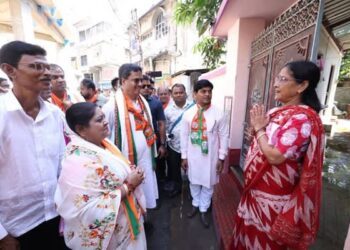
He later visited the homes of mulberry cultivators to inspect houses and work sheds constructed under government schemes to support sericulture activities.
During the inspection, complaints were raised regarding the quality of construction, with allegations that some structures had not been built in accordance with approved specifications and departmental guidelines.
The minister reportedly expressed displeasure after officials failed to produce key project-related documents and approved estimates concerning the construction works.
Debbarma questioned the execution of the projects and emphasised that government assistance was intended to improve the economic condition of beneficiaries and promote self-reliance.
He said public money must be utilised responsibly and warned that any deviation from established norms would not be tolerated.
The minister also expressed concern that the expected benefits of government assistance and materials provided to mulberry cultivators were not always visible on the ground. He called for stronger monitoring to ensure that support reached the intended beneficiaries.
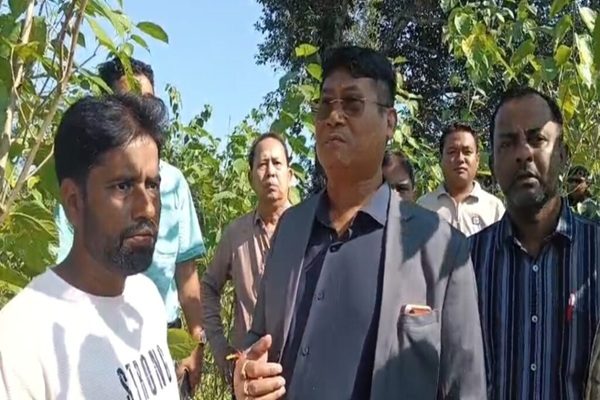
Later, Debbarma visited a mulberry plantation at Nabajoy Para under Laljuri Block, where he reviewed cultivation activities and interacted with farmers.
He expressed satisfaction over the growth of mulberry plants at the site and said sericulture had considerable potential to emerge as an important source of rural livelihood.
Systematic planning, effective implementation and regular monitoring could boost silk production, create employment opportunities and strengthen the financial condition of rural households, he said.
The minister’s field visit was aimed at reviewing the implementation of welfare schemes and ensuring greater transparency and accountability in the utilisation of government funds.