Agartala, Nov 2 : Two development projects aimed at strengthening rural livelihoods, empowering women and promoting sustainable agriculture were launched in Tripura’s Unakoti district on October 31, along with a Common Facility Centre (CFC) for trained artisans.
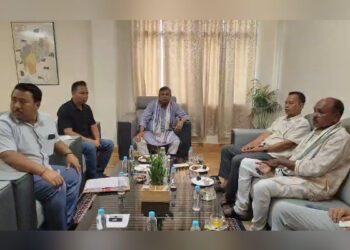
The programmes were launched by Tanushree Bhattacharya, General Manager of the National Bank for Agriculture and Rural Development’s (NABARD) Tripura Regional Office, in the presence of officials from the district administration, Tripura Rural Livelihood Mission (TRLM), College of Agriculture and NGO Growing Seed, which is implementing the initiatives.
One of the projects, the Artisan Empowerment Initiative: Skilling Rural SHG Women in Handicrafts at Chandipur, is being implemented under NABARD’s Micro Enterprise Development Programme (MEDP).
The initiative aims to train 30 women from rural self-help groups (SHGs) in handicraft-making and help them establish micro-enterprises, enhance their income and achieve financial independence.
The second project, SRIJAN (Sustainable Rural Innovation and Joint Action for Integrated Farming), focuses on improving rural incomes through diversified and sustainable agricultural practices.
Around 150 beneficiaries will receive training, technical guidance and skill development support to adopt integrated farming methods, with the objective of improving productivity and generating additional household income.
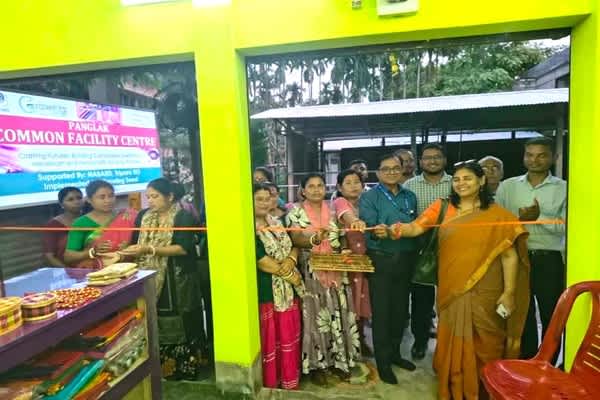
A key component of the programme was the inauguration of a Common Facility Centre at Chirakkiti under Gournagar block. Set up under NABARD’s Livelihood and Enterprise Development Programme (LEDP), the centre will provide support to 60 artisans who had earlier undergone specialised training in handloom and handicrafts.
The facility is equipped with production infrastructure and a dedicated sales outlet, enabling artisans to manufacture, display and market their products from a common platform. It is also expected to improve market access and help local producers reach a wider consumer base.
Officials said the initiatives seek to create sustainable livelihood opportunities, strengthen women’s participation in economic activities and promote rural entrepreneurship.
By combining skill development, enterprise support and improved market linkages, the projects are expected to contribute to economic resilience in rural areas.
They are also aimed at preserving traditional handicrafts, encouraging sustainable farming practices and helping beneficiaries diversify their income sources.