Kabul, Dec 16:
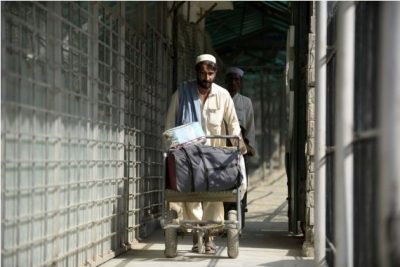
More than 3,000 Afghan refugees were forcibly repatriated from Iran and Pakistan in a single day, according to a senior Taliban official. Taliban Deputy Spokesperson Mullah Hamdullah Fitrat shared details from the High Commission for Addressing Migrants’ Issues in a post on X, stating that 577 families, comprising 3,005 individuals, returned to Afghanistan on Monday, local media outlet Pajhwok Afghan News reported.
Fitrat said the returnees entered Afghanistan through multiple border crossings, including Islam Qala in Herat, Bahramcha in Helmand, Pul-i-Abresham in Nimroz, Torkham in Nangarhar, and Spin Boldak in Kandahar. Of those who returned, 967 families, comprising 5,423 individuals, were transported to their respective home areas, while 792 families received humanitarian assistance upon arrival.
In addition, telecommunication companies provided 479 SIM cards to recently returned refugees to help them reconnect with families and access basic services. Fitrat also noted that a day earlier, on Sunday, as many as 5,580 Afghan refugees were forcibly deported from Iran and Pakistan, indicating a sharp rise in expulsions over a short period.
Meanwhile, the United Nations High Commissioner for Refugees (UNHCR) has expressed concern over a significant increase in the detention of Afghan migrants in Pakistan in 2025. According to a recent UNHCR report, Pakistani authorities arrested 100,971 Afghans between January 1 and mid-November 2025, a steep increase compared to around 9,000 arrests in 2024 and over 26,000 in 2023. The majority of arrests occurred in Chagai and Quetta districts of Balochistan and Attock district in Punjab.
UNHCR said 76 per cent of those detained were Afghan Citizen Card holders or undocumented migrants, while 24 per cent possessed Proof of Registration cards. Humanitarian organisations have urged Pakistan to ensure returns are voluntary and comply with international obligations, warning that mass expulsions risk worsening instability and humanitarian challenges along the Afghanistan border, where many returnees lack housing, jobs and essential services.