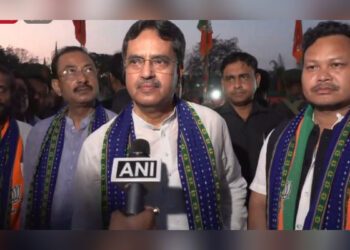
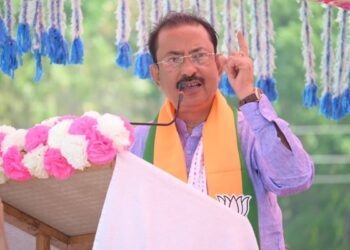
Speculation is rife in Tripura’s political circles over a possible visit by Union Home Minister Amit Shah on February 20, even as his official itinerary is yet to be confirmed. Information shared by party insiders has already generated considerable political buzz, especially in the context of the upcoming elections to the Tripura Tribal Areas Autonomous District Council (TTAADC).
Although senior BJP leaders have so far maintained a cautious stance, sources indicate that preparatory activities are quietly underway in anticipation of the Home Minister’s arrival. If the visit takes place, Amit Shah is expected to participate in a government programme showcasing Centrally supported developmental initiatives in the state. This may be followed by a closed-door meeting with the state’s top leadership to review organisational preparedness and finalise strategies for the crucial council polls.
The potential visit is being seen as a major boost for the BJP, particularly in tribal-dominated areas where the TTAADC elections are politically significant. Party functionaries believe that Shah’s presence would help sharpen the party’s campaign narrative, highlighting development, governance, and Centre–state coordination. Even the possibility of his arrival has reportedly infused fresh energy among grassroots workers, leading to increased mobilisation and outreach activities.
Political observers note that the absence of formal confirmation has not dampened enthusiasm. On the contrary, the uncertainty has added to the suspense, keeping both party cadres and opposition groups alert. The BJP’s rivals are also closely watching developments, aware that a high-profile visit could influence voter sentiment in the tribal belt.
Whether the visit is officially confirmed or not, the anticipation alone has already altered the political atmosphere in Tripura. It underscores the high stakes involved in the TTAADC elections and reflects the BJP’s determination to consolidate and expand its influence in tribal regions, making the coming weeks politically significant for the state.