Athens, March 14 — Religious minorities in Pakistan continue to face serious threats as the government has failed to take effective action against abuses by its security and intelligence agencies, while extremist groups remain active in targeting vulnerable communities, a recent report has highlighted.
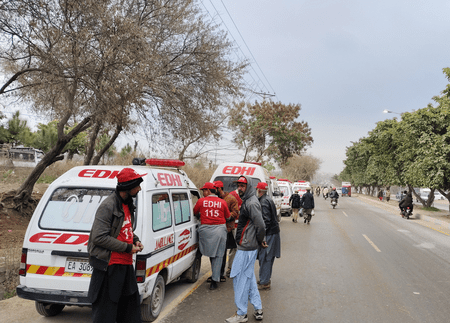
The situation was underscored by a deadly suicide bombing at a Shia mosque in Islamabad last month that killed 36 worshippers and left around 170 others injured. The attack once again exposed the insecurity faced by minority Muslim sects in the country.
Describing the aftermath of the attack, Athens-based organisation Directus quoted Pakistani police official Shahid Malik as saying he had witnessed many crime scenes, but the scale of violence in this incident was particularly disturbing.
Shia Muslims, who make up an estimated 10–15 per cent of Pakistan’s population, frequently face harassment and deadly attacks from extremist elements belonging to the majority Sunni community. Community leaders say the government’s inability to prevent such incidents has raised serious concerns.
Raja Nasir Abbas Jafri, a Shia leader, said the attack in the federal capital represents a major failure of authorities to protect citizens and raises critical questions about the effectiveness of law-enforcement agencies.
The report also notes that several other minority Muslim communities — including Hazaras, Ahmadiyyas, Ismailis, Dawoodi Bohras, Zikris, as well as Sufi and Barelvi groups — continue to face sectarian violence, discriminatory laws and weak legal protection. Their places of worship are often vulnerable to attacks.
According to the International Crisis Group, sectarian violence has intensified partly due to the state’s failure to curb organisations that promote religious hatred. The Belgium-based group stated that inadequate prosecution of sectarian crimes has created a permissive legal environment where extremist rhetoric often goes unchecked.
The Ahmadiyya community remains one of the most frequently targeted groups. In October 2025, gunmen opened fire at an Ahmadiyya mosque in Lahore, an attack that the Ahmadiyya Muslim Jamaat Canada described as part of a continuing wave of violence against the community.
The UN High Commissioner for Human Rights has also condemned incidents such as the desecration of Ahmadiyya graves and the destruction of historic mosques, warning that religious intolerance in Pakistan remains a serious concern.