New Delhi, Nov 29: Government sources on Sunday rejected Opposition allegations that the proposed delimitation exercise would reduce seats reserved for Scheduled Castes and Scheduled Tribes, saying a proposed 50 per cent expansion of legislatures would instead increase their representation.
The increase in the strength of the Lok Sabha and state Assemblies would be reflected in reserved constituencies, the sources said. Women belonging to SC and ST communities would also receive proportional representation under the proposed framework, they added.
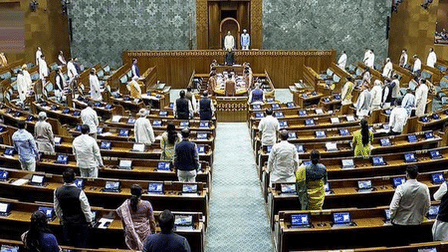
With the Delimitation Bill set to be tabled in the Lok Sabha on Monday, the sources dismissed Congress leader Rahul Gandhi’s allegations that constituency boundaries could be manipulated for electoral advantage.
They said the exercise would follow constitutional provisions and established legal procedures, involving extensive consultations and public hearings before boundaries were finalised. The process was expected to take around two-and-a-half years.
Delimitation was a constitutional requirement intended to ensure equitable representation and uphold the equal value of every citizen’s vote, the sources said, invoking B R Ambedkar’s recognition of the need for periodic readjustment.
Responding to Gandhi’s criticism of delimitation in Assam, the sources accused him of overlooking the state’s historical circumstances, difficult terrain and connectivity constraints.
They said the exercise in Assam took place after 47 years, with immigration concerns and the agitation in the state among the reasons for the delay. According to the sources, delimitation could proceed only after completion of the National Register of Citizens exercise.
Places appearing close on a map could require long journeys because of terrain and inadequate connectivity, they said, arguing that constituency boundaries must reflect conditions on the ground.
Similar considerations applied to hilly and remote parts of Jammu and Kashmir, the sources said. They cited Himachal Pradesh, Uttarakhand, Sikkim and Arunachal Pradesh as other states where accessibility could influence constituency demarcation.
The response comes amid political disagreement over the proposed legislation, with Gandhi questioning the Centre’s intentions.
Rejecting allegations of politically motivated boundary changes, the sources maintained that geographical distance alone could not determine constituencies and that terrain, accessibility and connectivity must also be considered to ensure effective representation of people.