Agartala: The Ministry of Home Affairs (MHA) is set to send a high-level delegation to Tripura next week to hold consultations on the implementation of the tripartite agreement involving the Centre, the Tripura government and the Tipra Motha Party, according to information available on the development.
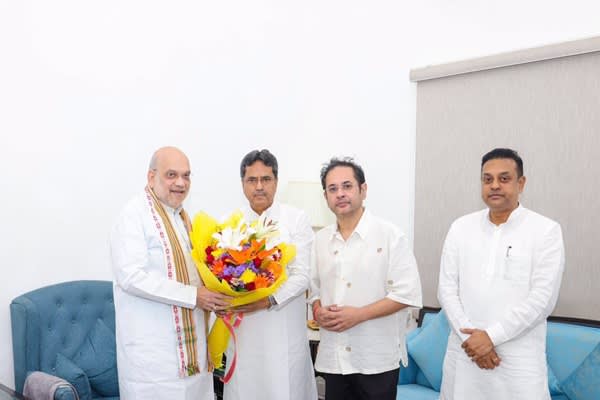
The proposed visit comes days after a meeting in New Delhi between Union Home Minister Amit Shah, Tripura Chief Minister Dr Manik Saha and Tipra Motha chief Pradyot Kishore Manikya.
The delegation is expected to hold detailed discussions with the state government and other stakeholders associated with the agreement. The consultations are likely to focus on the provisions of the accord and the administrative steps required for their implementation.
Implementation of the tripartite agreement has remained a key issue in Tripura’s political discourse, particularly in relation to the rights and interests of the state’s indigenous and tribal communities.
The agreement involves commitments and issues falling under the jurisdiction of both the Union and state governments. Its implementation has therefore required consultations between the Centre, the state government and representatives of Tipra Motha.
For Tipra Motha, implementation of the accord has remained a major political demand, with the party repeatedly seeking concrete action on the commitments made under the agreement.
The latest development follows the recent meeting between Shah, Chief Minister Saha and Pradyot Kishore Manikya in New Delhi, where the implementation of the agreement and the need to accelerate the process were discussed.
The proposed MHA delegation’s visit is expected to move the process into more detailed institutional consultations. Discussions could include the administrative mechanisms required to implement different provisions of the agreement and the responsibilities of the Centre and state government.
However, the precise issues to be taken up by the delegation and the timeline for implementing individual provisions have not yet been made public.
No specific decisions regarding individual provisions of the agreement have been announced so far.
The visit is expected to be closely watched in Tripura, particularly by indigenous and tribal communities and political stakeholders seeking clarity on the implementation mechanism.
The outcome of the consultations could determine the next course of action and identify areas requiring further intervention by the Centre and the state government.
The proposed delegation is therefore being seen as an important step towards examining the administrative and institutional aspects of implementing the tripartite agreement.