The Tripura Legislative Assembly’s special one-day session on Thursday evolved into a key platform for a wide-ranging discussion on women’s representation in Parliament and state legislatures. Members from across party lines expressed support for enhancing women’s participation in politics, while also raising concerns over the process and timeline for implementation.
Government Chief Whip Kalyani Saha Roy moved a motion urging all political parties to build consensus around the Constitution (131st Amendment) Bill, popularly known as the Nari Shakti Vandan Adhiniyam. The motion called on the Centre to initiate delimitation based on the 2011 Census and ensure the implementation of one-third reservation for women in the Lok Sabha and State Assemblies.
Supporting the motion, Congress MLA Gopal Chandra Roy highlighted his party’s longstanding commitment to women’s empowerment. He recalled key reforms introduced during the Rajiv Gandhi era that significantly increased women’s representation in Panchayati Raj institutions, in some cases up to 50 percent. Roy emphasized the need for updated and accurate census data to ensure fair representation for Scheduled Castes, Scheduled Tribes, Other Backward Classes, and minority communities. While cautioning against the misuse of delimitation for political gains, he made it clear that the Congress would support the bill if inclusivity and fairness are maintained.
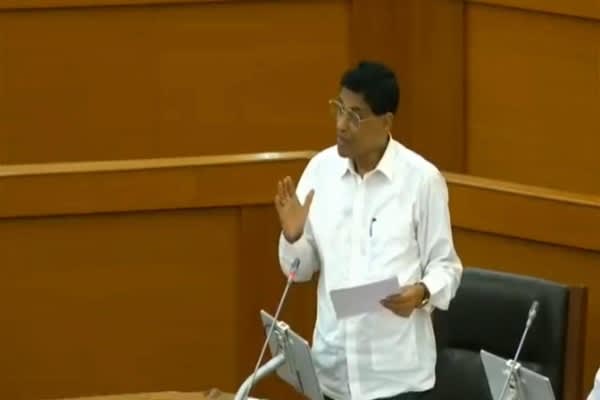
CPI(M) legislator Shyamal Chakraborty, however, raised sharp questions about the intent behind the proposal. He described the move as politically driven and argued that women’s reservation already enjoys broad consensus across parties. According to him, the provision could be implemented promptly through minor amendments to the 2023 legislation, without waiting for delimitation. Chakraborty also criticized the ruling party for delays despite electoral commitments and pointed to the low representation of women in central government employment, estimated at around 11 percent.
The debate reflected a shared commitment to the principle of women’s reservation but also highlighted divisions over its execution. Issues such as the timing of implementation, the necessity of delimitation, and concerns about political intent underscored the complexities involved in translating constitutional promises into meaningful reform.